
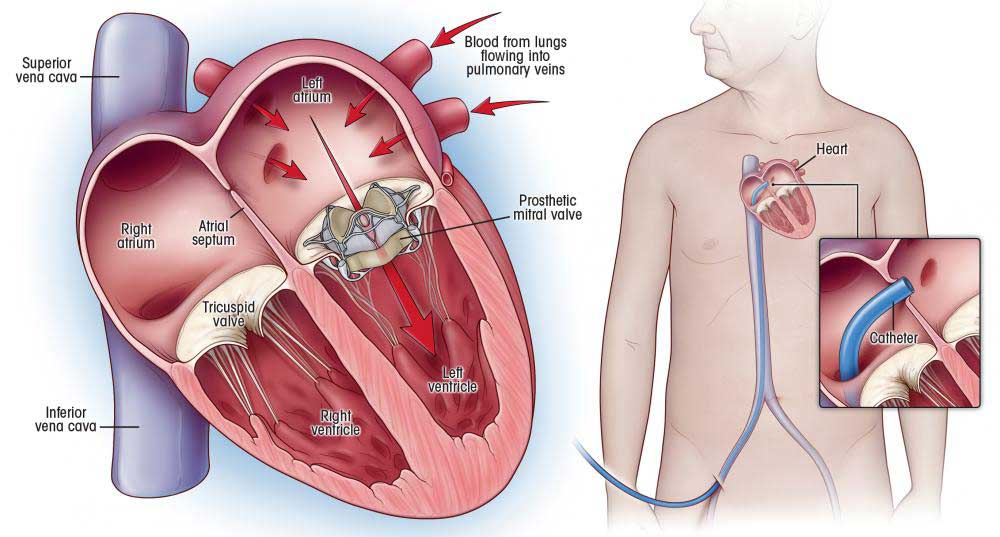
Single Valve Replacement, India
Single Valve Replacement
India
-
Our Price USD 5220
-
Hospital Price USD 5800
-
You Save : USD 580
Booking Amount: USD 522. Pay Remaining 90% at the hospital.
Book NowAdditional Credit
Among the important extras we offer as part of the Additional Credit are the following:
-
Site Tourism For The Patient & Attendant
-
Airport Pick & Drop Service
-
Ambulance service at airport
-
Priority appointments with The Doctor
-
Cancel Easily Anytime with Full Refund
-
Room Upgradation
-
Free Online Doctor Consultation Valued at USD 20
-
Free hotel Stay for 5 to 7 days Accordingly
-
Welcome Kit at Arrival
-
Interpreter
-
Medical Visa Assistance
What is Included?
- Doctor consultation charges
- Lab tests and diagnostic charges
- Room charges inside hospital during the procedure
- Surgeon Fee
- Cost of implant
- Nursing charges
- Hospital surgery suite charges
- Anesthesia charges
- Routine medicines and routine consumables (bandages, dressings etc.)
- Food and Beverages inside hospital stay for patient and one attendant.
What is not Included?
- Extra Radiology Investigations
- Healthcare Professionals Charges of other consultations.
- Other Requested Services such as Laundry etc.
- Additional Pharmaceutical Products and Medicines After Discharge from Hospital.
- Management of Conditions Unrelated to Procedures or Pre-Existing.
- The cost of any additional implants will be in addition to the package cost.
Package Description
Single Valve Replacement:
When one (or more) of the heart's valves become stenotic (rigid), the heart needs to work harder to pump blood through it. Infections (such as rheumatic fever or staph) and age can restrict and stiffen the valves. Blood leaks backwards when one or more valves begin leaking, resulting in less blood being pumped in the proper direction. Your healthcare practitioner may determine that the defective valve(s) needs to be surgically repaired or replaced based on your symptoms and the overall state of your heart.
Disease Overview:
Aortic valve disease
Aortic valve disease is a form of heart valve disease that affects the aortic valve. The valve between the lower left heart chamber (left ventricle) and the major artery to the body (aorta) doesn't operate correctly in aortic valve disease. The aortic valve keeps blood flowing through the heart in the right direction. Blood flow to the rest of the heart and body can be affected by a broken or sick aortic valve.
Aortic valve disease includes:
Aortic valve stenosis: It occurs when the aortic valve's flaps (cusps) grow thick and inflexible, or they fuse together. The valve opening narrows as a result of these issues, reducing or blocking blood flow from the heart to the rest of the body.
Aortic valve regurgitation: It happens when the aortic valve fails to seal correctly, allowing blood to flow backward into the left lower chamber of the heart (ventricle).
Aortic valve disease can be present from birth (congenital heart disease) or develop later in life as a result of other health problems.
Disease Signs and Symptoms:
Some persons with aortic valve dysfunction may go years without seeing symptoms. The following are some of the signs and symptoms of aortic valve disease:
- Heart whooshing or swishing sound (heart murmur)
- Tightness or discomfort in the chest
- Irregular heartbeat - Dizziness - Fainting - Fatigue after exertion or reduced capacity to remain active
- Shortness of breath, especially while doing intense activities or resting down - Not eating enough (mainly in children with aortic valve stenosis)
- Unable to develop sufficient weight (mainly in children with aortic valve stenosis)
Disease Causes:
A cardiac abnormality present at birth may induce aortic valve disease (congenital heart defect). Other late-life causes of aortic valve dysfunction include:
- Infections
- Age-related alterations in the heart
- Hypertension (high blood pressure)
- Coronary artery occlusion
The valve between the lower left heart chamber (left ventricle) and the body's major artery (aorta) malfunctions in aortic valve disease. The valve may have swollen and stiffened (stenosis) or may not seal correctly, allowing blood to flow backward. Valve flap dysfunction can also limit or prevent blood flow from the heart to the rest of the body.
Disease Diagnosis:
A physical exam and inquiries about your signs and symptoms, as well as your medical history, are commonly used to diagnose aortic valve disease.
When a health care practitioner listens to your heart using a stethoscope, they may detect a whooshing or swishing sound (heart murmur). If this is the case, you may be sent to a cardiologist (cardiologist).
Aortic valve disease can be diagnosed using a variety of tests, including:
Echocardiogram: An echocardiography is a type of ultrasonography of the heart. Sound waves are employed to produce moving images of the heart. An echocardiography allows doctors to examine the aortic valve and aorta in greater detail. It can assist in determining the source of aortic valve disease as well as the severity of the condition.
Electrocardiogram (ECG or EKG). The electrical activity of the heart is recorded in this noninvasive examination.
Chest X-ray: It can provide information about the heart and lungs' health.
Cardiac MRI: It creates precise pictures of the heart using magnetic fields and radio waves.
Cardiac computerized tomography (CT) scan: In this, Series of X-rays are used to obtain detailed pictures of the heart and heart valves. This imaging approach may be used by doctors to determine the size of the aorta and examine the aortic valve in greater detail.
Exercise tests or stress tests: These tests often involve walking on a treadmill or riding a stationary bike while an ECG or echocardiogram is performed.
Cardiac catheterization: This procedure rarely used to diagnose aortic valve dysfunction. It can, however, be used to assess the degree of aortic valve disease. This can provide further information regarding blood flow and how effectively the heart is functioning.
Disease Treatment:
Treatment for aortic valve disease is determined by the severity (stage) of the illness, as well as whether or not the disease is producing symptoms or if the condition is worsening.
Monitoring, lifestyle modifications, drugs, surgery, and other treatments are all options for treatment. Consider getting tested and treated at a medical centre with a multidisciplinary team of heart disease experts (cardiologists) and others skilled and experienced in diagnosing and treating heart valve disease if you have aortic valve disease.
Medication: To treat symptoms of aortic valve disease or lower the risk of consequences, doctors may prescribe heart-healthy lifestyle changes and drugs. Medication may be used to:
- Lower blood pressure
- Prevent irregular heartbeats
- Get rid of excess fluid in the body to relieve stress on the heart.
Surgery: To repair or replace a damaged aortic valve, surgery or a catheter technique may be required. Even if the condition isn't severe or producing symptoms, some patients with aortic valve disease require surgery. An open-heart surgery is frequently used to repair or replace an aortic valve. The valve can sometimes be replaced with minimally invasive heart surgery, which involves fewer incisions than open-heart surgery and is done using a catheter.
Aortic valve repair often requires open-heart surgery. There may, however, be less intrusive alternatives. A catheter operation, for example, might be used to implant a stopper or device in a leaky replacement aortic valve. The surgeon may perform one or more of the following procedures at this time:
- Disconnect fused valve flaps (cusps)
- Make the valve's base more stable by adding support.
- Trim or reshape superfluous valve tissue to allow the cusps to seal completely.
- Restore a valve's holes or rips.
Aortic valve replacement: A surgeon replaces the damaged valve with a mechanical valve or a valve manufactured from cow, pig, or human heart tissue in this procedure (biological tissue valve). The aortic valve is occasionally replaced with your own lung (pulmonary) valve. Then a biological lung tissue valve is implanted in place of your pulmonary valve.
Information related to Treatment
Package Details
Days in Hospital
7 Days
Days in Hotel
*
14 Days
Room Type
Private
Treating Doctor
Dr. Umesh Kohli
Interventional Cardiologist- Echocardiography, Pacemaker Implantation, Coronary Angiography, Coronary Angiogram, Cardiac Ablation, Cardiac Catheterisation, ASD VSD repair, Cardioversion, Implantable Cardioverter-Defibrillators (ICDS), Peripheral Angioplasty, Non Invasive Cardiology, Chest Pain Treatment, Bypass Surgery, CT angiogram, Cardiology, Balloon Mitral Valbuloplasty
Accord Super specialty Hospital Faridabad, India
24 Years of Experience
Treating Doctor
Dr. Sumit Narang
Cardiothoracic and Vascular Surgeon- Heart Failure Treatment, LVAD, Tricuspid, CABG on beating heart, Aortic Aneurysm Surgery, Double Valve Replacement, MVR, AVR, Peripheral & Carotid angioplasty and Stenting, TAVI/TAVR, PDA & ASD closures, VSD, Adult Valvuloplasty (mitral etc.)
Marengo Asia hospital, Faridabad Faridabad, India
26 Years of Experience
Treating Doctor
Dr Vineet Bhatia
Cardiologist- Pacemaker Implantation, Coronary Angiography, Coronary Angioplasty / Bypass Surgery, Cardiac Catheterisation, Pacemaker Implantation, Balloon Valvuloplasty, AICD Implantation, EPS, Optical Coherence Tomography, RFA, Pacemaker Implantation, Cardiac Catheterisation, Pacemaker Implantation, Pacemaker Implantation, Cardiac Catheterisation
Fortis Hospital Noida Noida, India
23 Years of Experience
Treating Doctor
Dr. Rajiv Parakh
Vascular surgeon- Carotid Surgery, Endovascular Interventions
Medanta-The Medicity, Gurgaon Gurgaon, India
35 Years of Experience
Treating Doctor
Dr Adarsh Koppula
Cardiac Surgeon- CABG on beating heart, CABG on beating heart, Valve replacement / repair, Blood Conversation in Cardiac Surgery
Max Super Speciality Hospital New Delhi, India
37 Years of Experience
Treating Doctor
Dr Rajnees Malhotra
Cardiac Surgeon- Left ventricular assist device (LVAD), Coronary artery bypass graft (CABG) surgery, Heart transplant, Heart Failure Treatment, Minimally invasive Cardiac Surgery, Heart transplant, Extra Corporeal Membrane Oxygenation-ECMO, Robotic Cardiac Surgery, Mitral Valve Replacement & Repairs, Atrial Septal Defects (ASDS), Aortic Valve Replacement & Repairs
Max Super Speciality Hospital New Delhi, India
31 Years of Experience
Treating Doctor
Dr Kumud Rai
Vascular surgeon- Aortic Aneurysm Surgery, Congenital Heart Disorder CHD, Correction of Varicose Veins, Aneurysmectomy and Peripheral Bypass Surgery
MAX Super Speciality hospital, Patpadganj Delhi New Delhi, India
29 Years of Experience
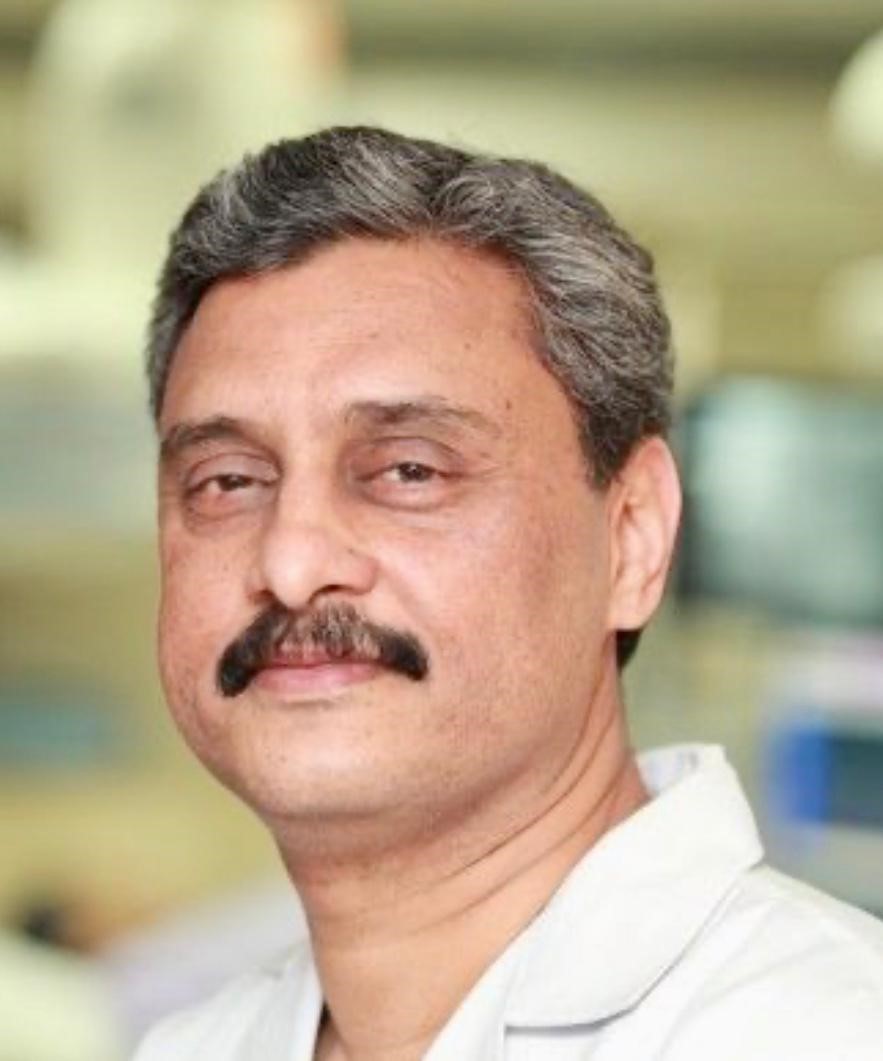
Treating Doctor
Dr. Atul Mathur
Interventional Cardiologist- Cardiac Ablation, Cardiac Catheterisation, Cardioversion, Carotid Angioplasty And Stenting, Chest Pain Treatment, Cardiac Catheterisation, Carotid Angioplasty And Stenting, Cardiac Ablation, Cardiography, Chest Pain Treatment, Cardioversion, Cardiac Catheterisation
Fortis Escorts Heart Institute New Delhi, India
30 Years of Experience
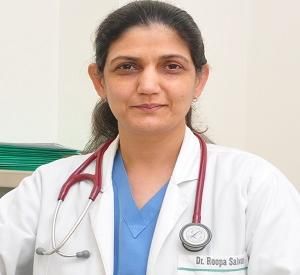
Treating Doctor
Dr Roopa Salwan
Cardiologist- Echocardiography, Left ventricular assist device (LVAD), Coronary artery bypass graft (CABG) surgery, Pacemaker Implantation, Coronary Angiography, Bypass Heart Surgeon, Epilepsy Disorder, Cerebral Palsy Surgeon, Balloon Angioplasty, Mitral valve replacement, Cardiac Ablation, Congenital Heart Disorder CHD, Carotid Angioplasty And Stenting, Pacemaker Implantation, Hypertension Treatment, ICD implantation, Mycardial Infarction, Prevention of Blockage, Atherosclerosis & Heart At, Holistic Heart Wellness & Health Care - Ayurveda, Preventing Post Bypass Surgery Blockages, Preventing Restenosis, Stent Surgery, PTCA or Coronary Angioplasty, Myocarditis Treatment, Atrial fibrillation treatment, Mitral insufficiency treatment, Hypertrophic cardiomyopathy treatment, Ventricular tachycardia treatment, Cardiac catheterizations, Hip Disorders, Pacemaker Implantation, Echocardiography, Hypertension Treatment, Echocardiography, Carotid Angioplasty And Stenting, Pacemaker Implantation, Cardiac Ablation, Pacemaker Implantation
Max Super Speciality Hospital New Delhi, India
32 Years of Experience
Treating Doctor
Dr Kumud rai
Vascular surgeon- Aortic Aneurysm Surgery, Congenital Heart Disorder CHD, Correction of Varicose Veins, Aneurysmectomy and Peripheral Bypass Surgery
Max Super Speciality Hospital New Delhi, India
29 Years of Experience
Similar Packages
