
Ectopic Laparotomy Emergency, India
Ectopic Laparotomy Emergency
India
-
Our Price USD 2250
-
Hospital Price USD 2500
-
You Save : USD 250
Booking Amount: USD 225. Pay Remaining 90% at the hospital.
Book NowAdditional Credit
Among the important extras we offer as part of the Additional Credit are the following:
-
Site Tourism For The Patient & Attendant
-
Airport Pick & Drop Service
-
Ambulance service at airport
-
Priority appointments with The Doctor
-
Cancel Easily Anytime with Full Refund
-
Room Upgradation
-
Free Online Doctor Consultation Valued at USD 20
-
Free hotel Stay for 5 to 7 days Accordingly
-
Welcome Kit at Arrival
-
Interpreter
-
Medical Visa Assistance
What is Included?
- Doctor consultation charges
- Lab tests and diagnostic charges
- Room charges inside hospital during the procedure
- Surgeon Fee
- Cost of implant
- Nursing charges
- Hospital surgery suite charges
- Anesthesia charges
- Routine medicines and routine consumables (bandages, dressings etc.)
- Food and Beverages inside hospital stay for patient and one attendant.
What is not Included?
- Extra Radiology Investigations
- Healthcare Professionals Charges of other consultations.
- Other Requested Services such as Laundry etc.
- Additional Pharmaceutical Products and Medicines After Discharge from Hospital.
- Management of Conditions Unrelated to Procedures or Pre-Existing.
- The cost of any additional implants will be in addition to the package cost.
Package Description
Ectopic Laparotomy Emergency:
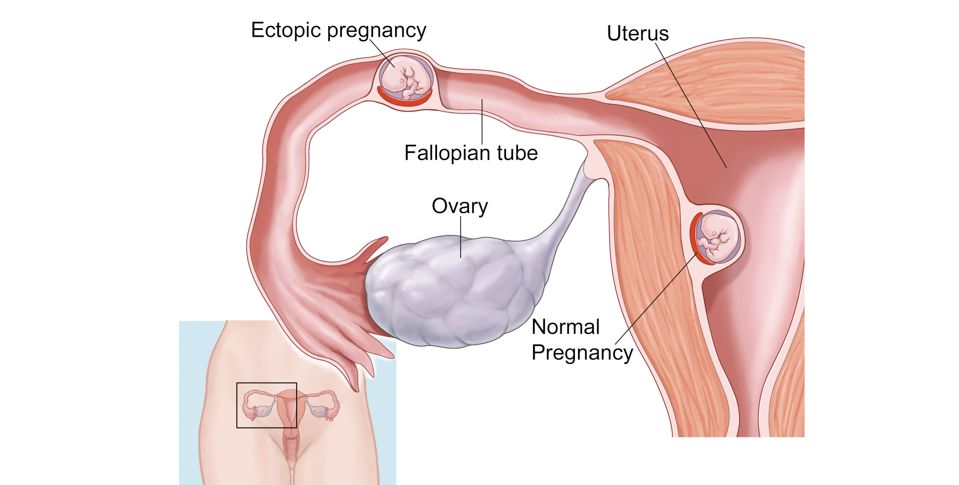
If your ectopic pregnancy is causing you to bleed profusely, you may require immediate surgery. This procedure can be performed laparoscopically or through an abdominal incision (laparotomy). The fallopian tube can be spared in rare situations. A burst tube, on the other hand, must usually be removed.
Almost all ectopic pregnancies (almost 90%) take place in the fallopian tube. The tube may burst as the pregnancy progresses (rupture). Internal bleeding can result from a rupture. This is a life-threatening situation that need prompt surgery.
Risk Factors and Causes
- Have you been diagnosed with pelvic inflammatory disease? (PID)
- Are over the age of 35.
- Cigarette Smoking
- sexually transmitted disease.
- Scars from pelvic surgery.
- Previously had an ectopic pregnancy.
- Tubal ligation (tubes tied) or tubal ligation reversal were attempted.
- Use of Fertility medicines.
Disease Overview:
Ectopic pregnancies
A fertilised egg is the start of a pregnancy. Normally, the fertilised egg adheres to the uterine lining. When a fertilised egg implants and grows outside the main cavity of the uterus, it is called an ectopic pregnancy.
The most common site of an ectopic pregnancy is the fallopian tube, which transports eggs from the ovaries to the uterus. Tubal pregnancy is the name for this form of ectopic pregnancy. Ectopic pregnancy can happen anywhere in the body, including the ovary, abdominal cavity, or the lower section of the uterus (cervix), which links to the vaginal canal.
An ectopic pregnancy will not be able to continue normally. If left untreated, the fertilised egg will die, and the developing tissue will cause life-threatening haemorrhage.
Disease Symptoms
A fertilised egg is the start of a pregnancy. Normally, the fertilised egg adheres to the uterine lining. When a fertilised egg implants and grows outside the main cavity of the uterus, it is called an ectopic pregnancy.
The most common site of an ectopic pregnancy is the fallopian tube, which transports eggs from the ovaries to the uterus. Tubal pregnancy is the name for this form of ectopic pregnancy. Ectopic pregnancy can happen anywhere in the body, including the ovary, abdominal cavity, or the lower section of the uterus (cervix), which links to the vaginal canal.
An ectopic pregnancy will not be able to continue normally. If left untreated, the fertilised egg will die, and the developing tissue will cause life-threatening haemorrhage.
Disease Causes:
At first, you may not notice any symptoms. Some women with an ectopic pregnancy, on the other hand, experience the typical early signs and symptoms of pregnancy, such as missed periods, breast soreness, and nausea.
- If you take a pregnancy test, you will get a positive result. Even yet, an ectopic pregnancy cannot be carried on normally.
- Signs and symptoms become increasingly noticeable when the fertilised egg grows in the wrong area.
- Ectopic pregnancy can be detected early.
- Light vaginal bleeding and pelvic pain are frequently the first indicators of an ectopic pregnancy.
- If blood seeps from the fallopian tube, you may experience shoulder pain or a strong desire to urinate. The location of the blood pool and which nerves are affected determine your individual symptoms.
Symptoms of an emergency
The fertilised egg can rupture the fallopian tube if it continues to develop in the tube. There's a good chance you'll have a lot of bleeding inside your abdomen. Extreme lightheadedness, fainting, and shock are all symptoms of this life-threatening occurrence.
Disease Causes:
Tubal pregnancy, the most frequent type of ectopic pregnancy, occurs when a fertilised egg becomes trapped on its journey to the uterus, usually due to inflammation or a distorted fallopian tube. Hormonal abnormalities or improper fertilisation development could possibly have an impact.
Factors that are at risk
The following factors increase your chances of having an ectopic pregnancy:
- Ectopic pregnancy in the past. You're more likely to have another of these pregnancies if you've had one previously.
- Inflammation or infection are both possibilities. Infections transferred through sexual contact, such as gonorrhoea or chlamydia, can cause inflammation in the tubes and other adjacent organs, increasing your chances of an ectopic pregnancy.
- Treatments for infertility According to several studies, women who have undergone IVF or equivalent therapies are more likely to experience an ectopic pregnancy. Infertility can also increase your risk.
- Tubal ligation. An ectopic pregnancy might be increased by surgery to repair a closed or broken fallopian tube.
- Birth control options are available. Getting pregnant while wearing an intrauterine device (IUD) is extremely unlikely. If you get pregnant while wearing an IUD, the pregnancy is more likely to be ectopic. Tubal ligation, sometimes known as "getting your tubes tied," is a permanent form of birth control that increases your risk of becoming pregnant if you become pregnant after the treatment.
- Smoking. Cigarette smoking before conception can raise the likelihood of an ectopic pregnancy.
Disease Diagnosis:
Your doctor can use a pelvic exam to find regions of pain, sensitivity, or a lump in the fallopian tube or ovary. Your doctor, on the other hand, cannot diagnose an ectopic pregnancy simply by looking at you. Blood tests and an ultrasound are required.
Test for pregnancy
To confirm if you're pregnant, your doctor will run a human chorionic gonadotropin (HCG) blood test. During pregnancy, the level of this hormone rises. This blood test may be repeated every few days until an ultrasound can confirm or rule out an ectopic pregnancy, which is usually five to six weeks after conception.
Your doctor can see the exact location of your pregnancy using a transvaginal ultrasound. A wand-like instrument is inserted into your vaginal canal for this test. It creates images of your uterus, ovaries, and fallopian tubes using sound waves and delivers them to a nearby monitor.
Abdominal ultrasound, which involves moving an ultrasound wand over your belly to confirm your pregnancy or check for internal bleeding, is a procedure that involves moving an ultrasound wand over your belly.
Additional blood tests
To rule out anaemia or other symptoms of blood loss, a full blood count will be performed. If you've been diagnosed with an ectopic pregnancy, your doctor may prescribe blood tests to see if you need a transfusion.
Information related to Treatment
Package Details
Days in Hospital
3 Days
Days in Hotel
*
10 Days
Room Type
Private
Treating Doctor
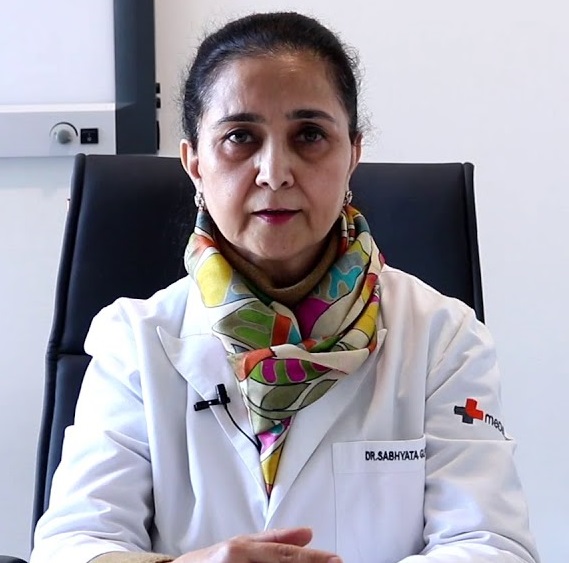
Dr. Sabhyata Gupta
Gynecologic Oncologist- Advanced Gynaecological Laparoscopy, Colposcopy, Gynaec-Oncology, Robotic Surgery & Hysteroscopy
Medanta-The Medicity, Gurgaon Gurgaon, India
30 Years of Experience
Treating Doctor
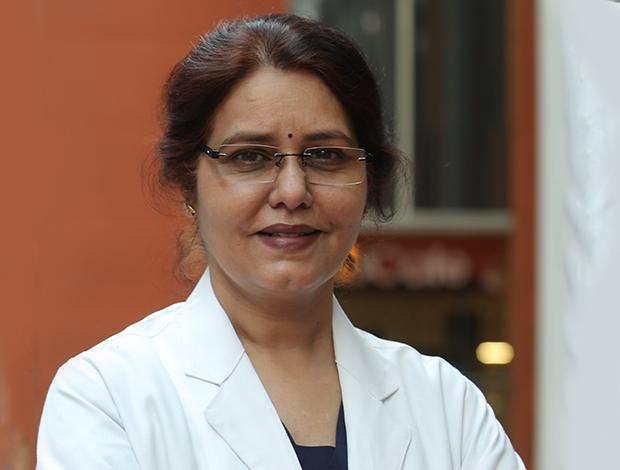
Dr. Rama Joshi
Gynecologic Oncologist- Cervical Cancer, Ovarian Cancer, Uterine Cancer, Vaginal cancer, Cervix cancer, Vulvar and Endometrium cancer, Robotic surgery for suspecious gynecological cancers, Premalignant gynacological Conditions
Fortis Memorial Research Institute Gurgaon, India
32 Years of Experience
Treating Doctor
Dr. Ajantha Boopathi
IVF and Infertility Specialist- IVF Specialist, Male Infertility
Nova IVF Centre and Fertility Clinic, Anna Nagar, Chennai Chennai, India
15 Years of Experience
Treating Doctor
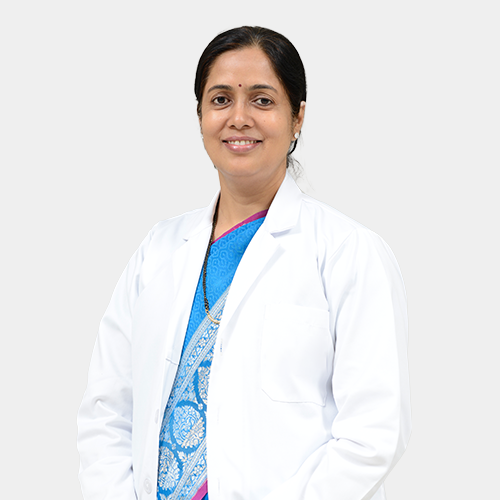
Dr. Seema Bansal
Obstetrician and gynecologist- High risk pregnancy, Preventive Gynaecology, Normal Vaginal Delivery (NVD), High risk obstetrics, Complication of Early pregnancy, Growth & Development Management, Lactation problem treatment
SSB Heart and Multispecialty Hospital Faridabad, India
36 Years of Experience

Treating Doctor
Dr Anita Singla
Obstetrician and gynecologist- Women's health, Hymenoplasty, Hymenoplasty, Caesarean Section (C Section), Hysterectomy, Hysteroscopy, Delivery Procedure, Treatment Of Female Sexual Problems, Termination Of Pregnancy Procedure, Treatment Of Pregnancy Problems, Hysterectomy, Caesarean Section (C Section), Caesarean Section (C Section), Hysterectomy, Hysteroscopy, Abortion/Medical Termination of Pregnancy (MTP), Menstrual problems
Fortis Hospital Noida Noida, India
17 Years of Experience
Treating Doctor
Dr Madhu Ahuja
Obstetrician and gynecologist- Normal Delivery Specialist, Hysteroscopic Surgeries, High risk pregnancy, Colposcopy, Colposcopy, Urogynaecology, Urogynaecology
MAX Super Speciality hospital, Patpadganj Delhi New Delhi, India
40 Years of Experience

Treating Doctor
Dr Meeta Sarkar
Obstetrician and gynecologist- Gynecology, Obstetrics / Antenatal Care, Obstetrics / Antenatal Care
Max Super Speciality Hospital New Delhi, India
37 Years of Experience
Treating Doctor
Dr Sunita gupta
Obstetrician and gynecologist- Laparoscopic surgeon, Hysteroscopic Surgeries, Cervical Cancer, Cervical Cancer, Pelvic Inflammatory Disease (PID), Endometriosis, High risk pregnancy, Cervical Cancer, Hysterectomy (Abdominal/Vaginal), Cervical Cancer, Endometriosis, Hysterectomy (Abdominal/Vaginal), Cervical Cancer, Endometriosis, Vaginitis, Uterine bleeding and dysmenorrhea, Early puberty, Ectopic pregnancy, Uterine Fibroids, Pelvic Inflammatory Disease (PID), Endometrial biopsy, Cervical Cancer, Cervical Cancer, Cervical Cancer
Max Super Speciality Hospital New Delhi, India
34 Years of Experience

Treating Doctor
Dr Alka Gujral
Obstetrician and gynecologist- Polycystic Ovarian Syndrome (Pcos), Endometriosis, High risk pregnancy, Fibroid Removal Surgery, Endometriosis, Endometriosis, Painless Deliveries, Gynae endoscopy and Laparoscopic Myomectomy.
Max Super Speciality Hospital New Delhi, India
34 Years of Experience
Treating Doctor
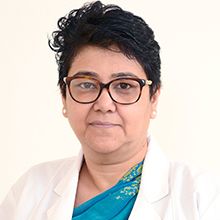
Dr. Bithika Bhattacharya
Obstetrician and gynecologist- Infertility Specialist, Polycystic Ovarian Syndrome (Pcos), Uterine Fibroids, High risk pregnancy, Preventive Gynaecology, Tubal Ligation, Normal Vaginal Delivery (NVD), Uterine bleeding and dysmenorrhea, Abortion/Medical Termination of Pregnancy (MTP), PCOD/PCOS Treatment, Pre and Post Delivery Care, Abortion
Max Super Speciality Hospital New Delhi, India
31 Years of Experience
Similar Packages
