
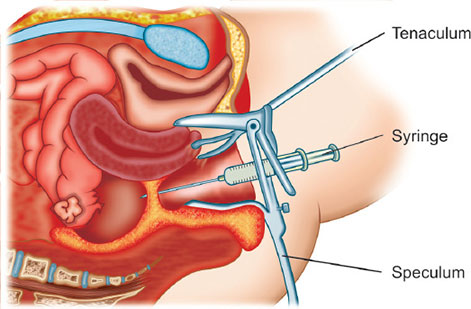
Drainage Of Pelvic Abscess or Colpotomy, India
Drainage Of Pelvic Abscess or Colpotomy
India
-
Our Price USD 1260
-
Hospital Price USD 1400
-
You Save : USD 140
Booking Amount: USD 126. Pay Remaining 90% at the hospital.
Book NowAdditional Credit
Among the important extras we offer as part of the Additional Credit are the following:
-
Site Tourism For The Patient & Attendant
-
Airport Pick & Drop Service
-
Ambulance service at airport
-
Priority appointments with The Doctor
-
Cancel Easily Anytime with Full Refund
-
Room Upgradation
-
Free Online Doctor Consultation Valued at USD 20
-
Free hotel Stay for 5 to 7 days Accordingly
-
Welcome Kit at Arrival
-
Interpreter
-
Medical Visa Assistance
What is Included?
- Doctor consultation charges
- Lab tests and diagnostic charges
- Room charges inside hospital during the procedure
- Surgeon Fee
- Cost of implant
- Nursing charges
- Hospital surgery suite charges
- Anesthesia charges
- Routine medicines and routine consumables (bandages, dressings etc.)
- Food and Beverages inside hospital stay for patient and one attendant.
What is not Included?
- Extra Radiology Investigations
- Healthcare Professionals Charges of other consultations.
- Other Requested Services such as Laundry etc.
- Additional Pharmaceutical Products and Medicines After Discharge from Hospital.
- Management of Conditions Unrelated to Procedures or Pre-Existing.
- The cost of any additional implants will be in addition to the package cost.
Package Description
Drainage Of Pelvic Abscess (Colpotomy)
Percutaneous abscess drainage involves inserting a needle or catheter through the skin into the abscess and removing or draining the infected fluid with imaging guidance. It allows for a quicker recovery than traditional surgical drainage. Patients who get this operation are frequently admitted to the hospital.
Abscess drainage is the procedure for draining pus from a skin abscess and starting the healing process. Smaller abscesses may not require draining to heal.
Antibiotics, pus drainage, or both will be used to treat your abscess. You will most likely be treated in a hospital at first. Antibiotics will be provided to you to treat the abscess. You'll be able to keep them for up to four to six weeks.
Disease Overview:
Upper genital tract infections (endometritis) and/or fallopian tube infections (salpingitis) are bacterial infections of the uterus and/or fallopian tubes that can be worsened by peritonitis, pelvic abscess, or septicaemia. UGTI can be transmitted sexually or develop after childbirth or abortion.
Infectious disorders such as urinary tract infections (UTIs) and genital tract infections (GTIs) are highly common. As a result, the precision and speed with which sexually transmitted urogenital tract infections (ST-UGTIs) are recognised and treated is a key concern in global public health systems. The use of accurate diagnostic techniques is essential for accurate detection, diagnosis, and treatment.
Disease Signs and Symptoms:
- Itching and burning in the vaginal area.
- Soreness and discomfort in the vaginal area.
- Skin around your vagina and vulva that is irritated, flushed, or swollen.
- a variation in vaginal discharge quantity
- The colour of vaginal discharge changes.
- During urinating, you may experience pain or a burning sensation.
- Penetrative vaginal intercourse causes pain.
- spotting or vaginal bleeding
Disease Causes:
There are three types of infections that affect the reproductive tract:
1) sexually transmitted diseases (STDs), such as chlamydia, gonorrhoea, chancroid, and HIV;
2) endogenous infections, such as bacterial vaginosis or vulvovaginal candidiasis, which are caused by overgrowth of organisms normally present in the genital tract of healthy women; and
3) iatrogenic infections, which are associated with improperly performed medical procedures such as unsafe abortion or poor delivery practises. RTIs can be avoided, and many of them can also be treated.
In simple terms, vaginal infections occur when the normal balance of bacteria and yeast in your vagina is disrupted.
The following are the most prevalent causes of vaginal infections, organised by type of infection:
Infections caused by bacteria. BV is caused by an overpopulation of germs that are naturally found in your vaginal area. While BV isn't classified as a sexually transmitted infection (STI), sexual contact, such as hand-to-genital, oral, and penetrative vaginal sex, can lead to bacterial overgrowth and raise your chances of contracting the disease.
Infections caused by yeast. Candida albicans, a fungus, is the most common cause of yeast infections. Antibiotics, hormonal fluctuations, a weakened immune system, and stress can all limit the quantity of antifungal bacteria in your vaginal area, resulting in yeast overgrowth. Symptoms of a yeast infection might result from this overgrowth.
Trichomoniasis. This infection is caused by the protozoan parasite Trichomonas vaginalis. Having vaginal, oral, or anal sex without an internal or external condom is the most common way to get trichomoniasis. Nonetheless, there is some evidence. It's also possible to contract it by sharing bathwater, according to Trusted Source. Damp toilet seats, pools, and shared towels or damp clothing are further uncommon (but plausible) modes of transmission.
Vaginal atrophy is a condition in which the uterus shrinks. This condition most commonly occurs after menopause, but it can also occur when nursing or at any other time when oestrogen levels drop. Vaginal thinning and dryness can occur as a result of low hormone levels, which can lead to vaginal inflammation.
Douching. Keeping your vagina clean by flushing it with a solution of water and vinegar, baking soda, iodine, or other antiseptic chemicals may appear to be a good idea. However, the truth is that your vaginal area is capable of keeping itself clean. This procedure actually reduces the number of good bacteria in your vaginal area, increasing the risk of infection.
Soap, body wash, and perfume are all examples of personal care products. Washing your vaginal area with soap and body wash, or spraying it with perfume, can also change the pH of your vaginal area. While rinsing your vulva and vagina with simple water is perfectly safe, any additional product or smell can kill good bacteria in your vagina and increase the risk of infection.
Spermicidal contraceptives are a type of spermicide. This type of birth control could be in the form of a gel, film, or suppository. It's inserted into your vaginal canal and dissolves, killing sperm and preventing undesired pregnancy. While spermicides may be effective for some people, they can cause vaginal irritation and inflammation, as well as increase the risk of vaginal infections.
Clothing that is too tight or synthetic. Vaginal irritation can be caused by underwear and bottoms that don't "breathe," retaining moisture and limiting ventilation, making infections more likely. Wearing really tight bottoms or leaving wet bottoms on after a workout or swim might have the same effect.
Fabric softener and detergent Have you seen any symptoms after switching your laundry products? Vaginal pH can be affected by scented detergents and fabric softeners, which can lead to infection.
A healthcare expert may be unable to determine the cause of your vaginal infection in some situations. Nonspecific vulvovaginitis is the medical term for this illness. It can affect vaginal-havers of any age, although it's more common in children who haven't yet reached puberty.
Disease Diagnosis:
Laboratory testing are required to confirm the clinical diagnosis in symptomatic people and to diagnose infection in asymptomatic people. Various bacteria can cause vaginal discharge, urethral and endocervical infection, and vaginal discharge. Syphilis is diagnosed by looking for antibodies to Treponema pallidum in a patient's blood. The VDRL, RPR, and Wassermann tests are non-specific syphilis tests. Treponemal antibodies are detected in the serum using particular serological testing.
A vaginal infection can be diagnosed with the help of a doctor or clinician.
To help identify a yeast infection or BV, you can use an at-home vaginal pH test, which you can obtain online or in certain drugstores.
A doctor or clinician may ask questions to assist diagnose the infection and narrow down the cause if you suffer vaginal infections frequently, especially the same type of infection.
They might enquire:
- about your medical history, including any previous vaginal infections, if you douche or wash your vaginal area with soap, how many sexual partners you have, whether you use condoms during vaginal sex, and whether you use scented period products
- discuss the signs and symptoms of different illnesses
- They could also do the following, depending on your symptoms:
- Examine your pelvis for soreness and inflammation.
- Obtain a sample of vaginal discharge to be sent for testing.
- Test for STIs like gonorrhoea or chlamydia by swabbing your cervix.
- get a sample of your urine to check for other STIs
Information related to Treatment
Package Details
Days in Hospital
1 Days
Days in Hotel
*
3 Days
Room Type
Private
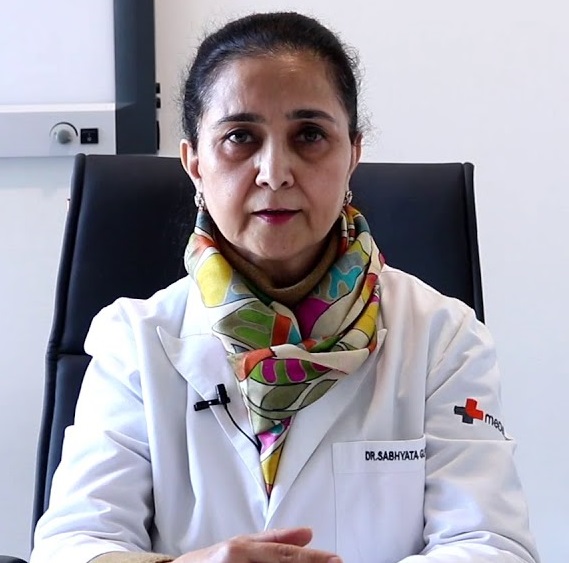
Treating Doctor
Dr. Sabhyata Gupta
Gynecologic Oncologist- Advanced Gynaecological Laparoscopy, Colposcopy, Gynaec-Oncology, Robotic Surgery & Hysteroscopy
Medanta-The Medicity, Gurgaon Gurgaon, India
30 Years of Experience

Treating Doctor
Dr. Rama Joshi
Gynecologic Oncologist- Cervical Cancer, Ovarian Cancer, Uterine Cancer, Vaginal cancer, Cervix cancer, Vulvar and Endometrium cancer, Robotic surgery for suspecious gynecological cancers, Premalignant gynacological Conditions
Fortis Memorial Research Institute Gurgaon, India
32 Years of Experience
Treating Doctor
Dr. Ajantha Boopathi
IVF and Infertility Specialist- IVF Specialist, Male Infertility
Nova IVF Centre and Fertility Clinic, Anna Nagar, Chennai Chennai, India
15 Years of Experience

Treating Doctor
Dr. Seema Bansal
Obstetrician and gynecologist- High risk pregnancy, Preventive Gynaecology, Normal Vaginal Delivery (NVD), High risk obstetrics, Complication of Early pregnancy, Growth & Development Management, Lactation problem treatment
SSB Heart and Multispecialty Hospital Faridabad, India
36 Years of Experience

Treating Doctor
Dr. Anuradha kapur
Obstetrician and gynecologist- High risk pregnancy, IVF, IVF, Polycystic Ovarian Syndrome (PCOS) Treatment, IVF, Mild Endometriosis, Fibroid Removal, Painless Deliveries, Gynae endoscopy and Laparoscopic Myomectomy., High Blood Pressure and Diabetes in Pregnency, Intra Cystoplasmic sperm injection and IUI, High risk obstetrics, Reproductive endocrinology and Infertility
Max Super Speciality Hospital New Delhi, India
30 Years of Experience

Treating Doctor
Dr Meeta Sarkar
Obstetrician and gynecologist- Gynecology, Obstetrics / Antenatal Care, Obstetrics / Antenatal Care
Max Super Speciality Hospital New Delhi, India
37 Years of Experience

Treating Doctor
Dr Vivek Marwah
Obstetrician and gynecologist- Minimal Access Surgery, Normal Vaginal Delivery (NVD), Infertility Treatment, Normal Vaginal Delivery (NVD), Minimal Access Surgery, Tubectomy/Tubal Ligation, Abortion/Medical Termination of Pregnancy (MTP), Pregnancy Exercise
Max Super Speciality Hospital New Delhi, India
30 Years of Experience

Treating Doctor
Dr. Bithika Bhattacharya
Obstetrician and gynecologist- Infertility Specialist, Polycystic Ovarian Syndrome (Pcos), Uterine Fibroids, High risk pregnancy, Preventive Gynaecology, Tubal Ligation, Normal Vaginal Delivery (NVD), Uterine bleeding and dysmenorrhea, Abortion/Medical Termination of Pregnancy (MTP), PCOD/PCOS Treatment, Pre and Post Delivery Care, Abortion
Max Super Speciality Hospital New Delhi, India
31 Years of Experience

Treating Doctor
Dr Alka Gujral
Obstetrician and gynecologist- Polycystic Ovarian Syndrome (Pcos), Endometriosis, High risk pregnancy, Fibroid Removal Surgery, Endometriosis, Endometriosis, Painless Deliveries, Gynae endoscopy and Laparoscopic Myomectomy.
Max Super Speciality Hospital New Delhi, India
34 Years of Experience

Treating Doctor
Dr Sunita gupta
Obstetrician and gynecologist- Laparoscopic surgeon, Hysteroscopic Surgeries, Cervical Cancer, Cervical Cancer, Pelvic Inflammatory Disease (PID), Endometriosis, High risk pregnancy, Cervical Cancer, Hysterectomy (Abdominal/Vaginal), Cervical Cancer, Endometriosis, Hysterectomy (Abdominal/Vaginal), Cervical Cancer, Endometriosis, Vaginitis, Uterine bleeding and dysmenorrhea, Early puberty, Ectopic pregnancy, Uterine Fibroids, Pelvic Inflammatory Disease (PID), Endometrial biopsy, Cervical Cancer, Cervical Cancer, Cervical Cancer
Max Super Speciality Hospital New Delhi, India
34 Years of Experience
Similar Packages
