
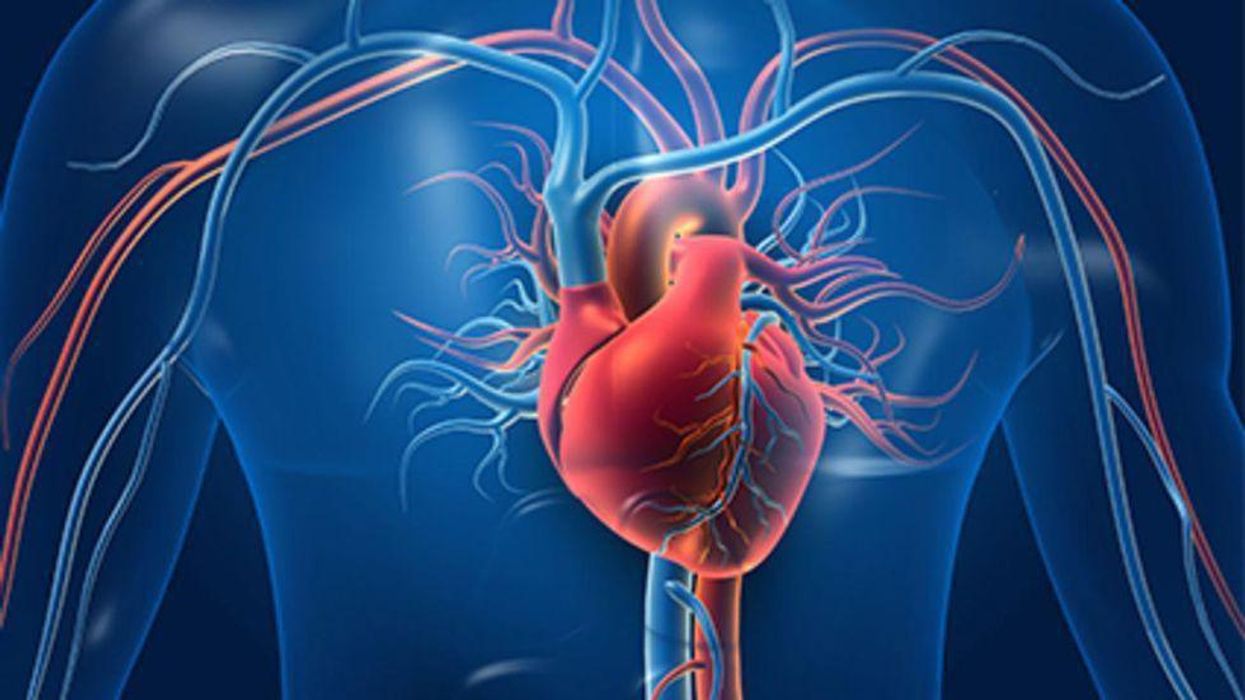
CABG and AVR, India
CABG and AVR
India
-
Our Price USD 7020
-
Hospital Price USD 7800
-
You Save : USD 780
Booking Amount: USD 702. Pay Remaining 90% at the hospital.
Book NowAdditional Credit
Among the important extras we offer as part of the Additional Credit are the following:
-
Site Tourism For The Patient & Attendant
-
Airport Pick & Drop Service
-
Ambulance service at airport
-
Priority appointments with The Doctor
-
Cancel Easily Anytime with Full Refund
-
Room Upgradation
-
Free Online Doctor Consultation Valued at USD 20
-
Free hotel Stay for 5 to 7 days Accordingly
-
Welcome Kit at Arrival
-
Interpreter
-
Medical Visa Assistance
What is Included?
- Doctor consultation charges
- Lab tests and diagnostic charges
- Room charges inside hospital during the procedure
- Surgeon Fee
- Cost of implant
- Nursing charges
- Hospital surgery suite charges
- Anesthesia charges
- Routine medicines and routine consumables (bandages, dressings etc.)
- Food and Beverages inside hospital stay for patient and one attendant.
What is not Included?
- Extra Radiology Investigations
- Healthcare Professionals Charges of other consultations.
- Other Requested Services such as Laundry etc.
- Additional Pharmaceutical Products and Medicines After Discharge from Hospital.
- Management of Conditions Unrelated to Procedures or Pre-Existing.
- The cost of any additional implants will be in addition to the package cost.
Package Description
CABG and AVR:
Concurrent aortic valve replacement (AVR) with CABG surgery eliminates the need for reoperative surgery, which carries a higher technical risk of damaging the left internal mammary artery and patent vein grafts. It may also slow the advancement of aortic stenosis, which can lead to hypertrophy, reduced ventricular function, and, eventually, congestive heart failure. AVR at the time of CABG operation, on the other hand, increases morbidity and mortality and is unlikely to improve symptomatology. If warfarin (Coumadin) is required, the patient has an increased risk of endocarditis and bleeding.
Delaying an AVR in younger patients may let them to choose between a mechanical or bioprosthetic valve, eliminating the need for lifetime warfarin medication. Finally, reoperation may be required in any CABG patient due to native disease progression or graft failure.
Disease Overview:
Coronary heart disease
Coronary artery disease occurs when your heart's primary blood arteries become damaged or diseased. Coronary artery disease is caused by cholesterol-containing deposits (plaques) in your coronary arteries and inflammation.
The coronary arteries feed your heart with blood, oxygen, and nourishment. Plaque development can restrict these arteries, reducing blood flow to the heart. Reduced blood flow may eventually result in chest discomfort (angina), shortness of breath, or other signs and symptoms of coronary artery disease. A heart attack might be caused by a total blockage.
You may not detect a problem until you have a large blockage or a heart attack since coronary artery disease commonly develops over decades. However, there are things you may do to prevent and cure coronary artery disease.
A healthy way of living can have a significant influence.
Disease Signs and Symptoms:
If your coronary arteries constrict, they won't be able to provide your heart with enough oxygen-rich blood, especially when it's working hard, as it is during exercise. Reduced blood flow may not create any symptoms at first. However, when plaque builds up in your coronary arteries, you may experience the following signs and symptoms of coronary artery disease:
Pain in the chest (angina). As if someone were standing on your chest, you may feel pressure or stiffness in your chest. Angina is a kind of chest discomfort that often appears on the centre or left side of the chest. Angina is most commonly brought on by physical or mental strain. After ceasing the stressful activity, the discomfort normally goes away within minutes. The discomfort felt in the neck, arm or back in some people, particularly women, might be mild or severe .
Disease Causes:
If your coronary arteries constrict, they won't be able to provide your heart with enough oxygen-rich blood, especially when it's working hard, as it is during exercise. Reduced blood flow may not create any symptoms at first. However, when plaque builds up in your coronary arteries, you may experience the following signs and symptoms of coronary artery disease:
Pain in the chest (angina). As if someone were standing on your chest, you may feel pressure or stiffness in your chest. Angina is a kind of chest discomfort that often appears on the centre or left side of the chest. Angina is most commonly brought on by physical or mental strain. After ceasing the stressful activity, the discomfort normally goes away within minutes. The discomfort felt in the neck, arm or back in some people, particularly women, might be mild or severe .
Breathing problems. Shortness of breath or excessive weariness may occur if your heart is unable to pump enough blood to fulfil your body's demands.
A heart attack has occurred. A heart attack is caused by a totally clogged coronary artery. Crushing pressure in your chest, pain in your shoulder or arm, and shortness of breath and perspiration are all typical indications and symptoms of a heart attack.
Women are somewhat more likely than males to suffer less conventional heart attack signs and symptoms, such as neck or jaw discomfort. They may also have additional symptoms including shortness of breath, exhaustion, and nausea.
A heart attack can happen without any warning signs or symptoms.
Disease Diagnosis:
The doctor will inquire about your medical history, perform a physical examination, and prescribe normal blood tests. He or she may also recommend one or more diagnostic tests, such as:
An EKG is a type of electrocardiogram (ECG). An electrocardiogram (ECG) is a test that monitors electrical impulses as they pass through your heart. An ECG can often reveal signs of a past heart attack or a heart attack that is now occurring.
Echocardiogram. Sound waves are used to create pictures of your heart in an echocardiogram. Your doctor can use an echocardiography to see if all portions of your heart wall are contributing regularly to your heart's pumping action.
Parts that move slowly might have been injured during a heart attack or aren't getting enough oxygen. This might indicate coronary artery disease or other problems.
Stress test with exercise Your doctor may advise you to walk on a treadmill or ride a stationary bike during an ECG if your signs and symptoms are more common when you exercise. While you're doing these workouts, an echocardiography may be performed. This is referred to as a stress echo. Medication to boost your heart may be used instead of exercise in some circumstances.
A nuclear stress test has been performed. This test is comparable to an exercise stress test, however the ECG records are accompanied by visuals. At rest and under stress, it monitors blood flow to your heart muscle. A tracer is put into your circulation, and sophisticated cameras can identify parts of your heart where blood flow is reduced.
Catheterization and angiography of the heart. A doctor carefully inserts a catheter into an artery or vein in your groyne, neck, or arm and up to your heart during cardiac catheterization. The catheter is guided to the proper place using X-rays. Dye is sometimes injected into the catheter. The dye enhances the visibility of blood arteries on pictures and highlights any obstructions.
A balloon can be put via the catheter and inflated to enhance blood flow in your coronary arteries if you have a blockage that has to be treated. The dilated artery is usually kept open using a mesh tube (stent).
A cardiac CT scan is a type of imaging that is used to look at the inside of the heart A cardiac CT scan might reveal calcium deposits in your arteries, which can constrict them. Coronary artery disease is a possibility if a significant quantity of calcium is found.
A CT coronary angiography can provide comprehensive pictures of your heart arteries by administering a contrast dye through IV during a CT scan.
Disease Treatment:
Coronary artery disease is generally treated with a combination of lifestyle modifications, medicines, and medical procedures.
Changes in your way of life
Making the following healthy lifestyle adjustments will help promote healthier arteries:
- Stop smoking.
- Consume nutritious foods.
- Exercise on a regular basis.
- Get rid of the extra pounds.
- Reduce your stress levels.
Procedures to enhance blood flow and restore it
Sometimes a more active approach is required. Here are several possibilities:
Stent implantation and angioplasty (percutaneous coronary revascularization)
A long, thin tube (catheter) is inserted into the narrowed section of your artery by your doctor. The constricted region is reached by passing a wire with a deflated balloon via the catheter. After then, the balloon is inflated, forcing the deposits against the artery walls.
A stent is frequently left in the artery to keep it open. The majority of stents deliver medicine over time to help keep the arteries open.
Bypass surgery for the coronary arteries
A graft is a conduit from another region of your body that is used to bypass blocked coronary arteries. This permits blood to flow around the coronary artery that is obstructed or constricted. Because it necessitates open-heart surgery, it's usually reserved for patients with numerous constricted coronary arteries.
Information related to Treatment
Package Details
Days in Hospital
7 Days
Days in Hotel
*
14 Days
Room Type
Private
Treating Doctor
Dr. Naresh Trehan
Cardiac Surgeon- Coronary artery bypass graft (CABG) surgery, Cardiothoracic Surgeon, MIDCAB Sugery
Medanta-The Medicity, Gurgaon Gurgaon, India
43 Years of Experience
Treating Doctor
Dr. Umesh Kohli
Interventional Cardiologist- Echocardiography, Pacemaker Implantation, Coronary Angiography, Coronary Angiogram, Cardiac Ablation, Cardiac Catheterisation, ASD VSD repair, Cardioversion, Implantable Cardioverter-Defibrillators (ICDS), Peripheral Angioplasty, Non Invasive Cardiology, Chest Pain Treatment, Bypass Surgery, CT angiogram, Cardiology, Balloon Mitral Valbuloplasty
Accord Super specialty Hospital Faridabad, India
24 Years of Experience
Treating Doctor
Dr. Sumit Narang
Cardiothoracic and Vascular Surgeon- Heart Failure Treatment, LVAD, Tricuspid, CABG on beating heart, Aortic Aneurysm Surgery, Double Valve Replacement, MVR, AVR, Peripheral & Carotid angioplasty and Stenting, TAVI/TAVR, PDA & ASD closures, VSD, Adult Valvuloplasty (mitral etc.)
Marengo Asia hospital, Faridabad Faridabad, India
26 Years of Experience
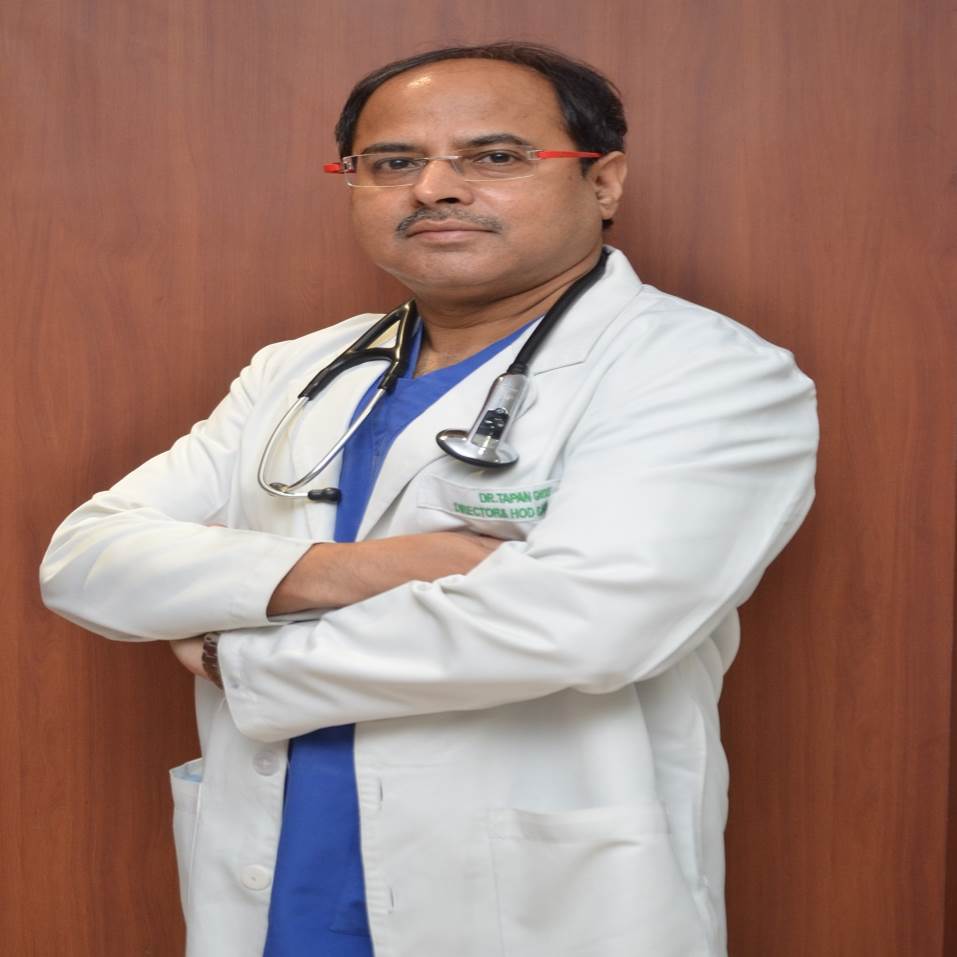
Treating Doctor
Dr Tapan Ghose
Cardiologist- Pacemaker Implantation, Angiography, Vascular Surgeon, Vascular Surgeon, Mitral valve replacement, Cardiac Ablation, Cardiac Catheterisation, Cardiac Electrophysiology, Carotid Angioplasty And Stenting, Implantable Cardioverter-Defibrillators (ICDS), Pacemaker Implantation, Bypass Surgery, Coronary Bypass Surgery, Stent Surgery, Transradial coronary intervention, Lipidology, Hip Disorders, Tre Cardioversion Procedure, Intra - Arterial Thrombolysis Procedures, Pacemaker Implantation, Cardiac Catheterisation, Carotid Angioplasty And Stenting, Pacemaker Implantation, Angiography, Cardiac Ablation, Celebral Palsy, Pacemaker Implantation, Bypass Surgery, Cardiac Catheterisation
Fortis Flt. Lt. Rajan Dhall Hospital, Vasant Kunj, Delhi New Delhi, India
26 Years of Experience
Treating Doctor
Dr Kumud Rai
Vascular surgeon- Aortic Aneurysm Surgery, Congenital Heart Disorder CHD, Correction of Varicose Veins, Aneurysmectomy and Peripheral Bypass Surgery
MAX Super Speciality hospital, Patpadganj Delhi New Delhi, India
29 Years of Experience
Treating Doctor
Dr Vineet Bhatia
Cardiologist- Pacemaker Implantation, Coronary Angiography, Coronary Angioplasty / Bypass Surgery, Cardiac Catheterisation, Pacemaker Implantation, Balloon Valvuloplasty, AICD Implantation, EPS, Optical Coherence Tomography, RFA, Pacemaker Implantation, Cardiac Catheterisation, Pacemaker Implantation, Pacemaker Implantation, Cardiac Catheterisation
Fortis Hospital Noida Noida, India
23 Years of Experience
Treating Doctor
Dr Adarsh Koppula
Cardiac Surgeon- CABG on beating heart, CABG on beating heart, Valve replacement / repair, Blood Conversation in Cardiac Surgery
Max Super Speciality Hospital New Delhi, India
37 Years of Experience
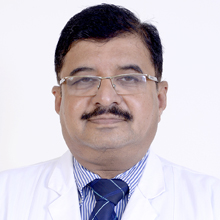
Treating Doctor
Dr Kumud rai
Vascular surgeon- Aortic Aneurysm Surgery, Congenital Heart Disorder CHD, Correction of Varicose Veins, Aneurysmectomy and Peripheral Bypass Surgery
Max Super Speciality Hospital New Delhi, India
29 Years of Experience
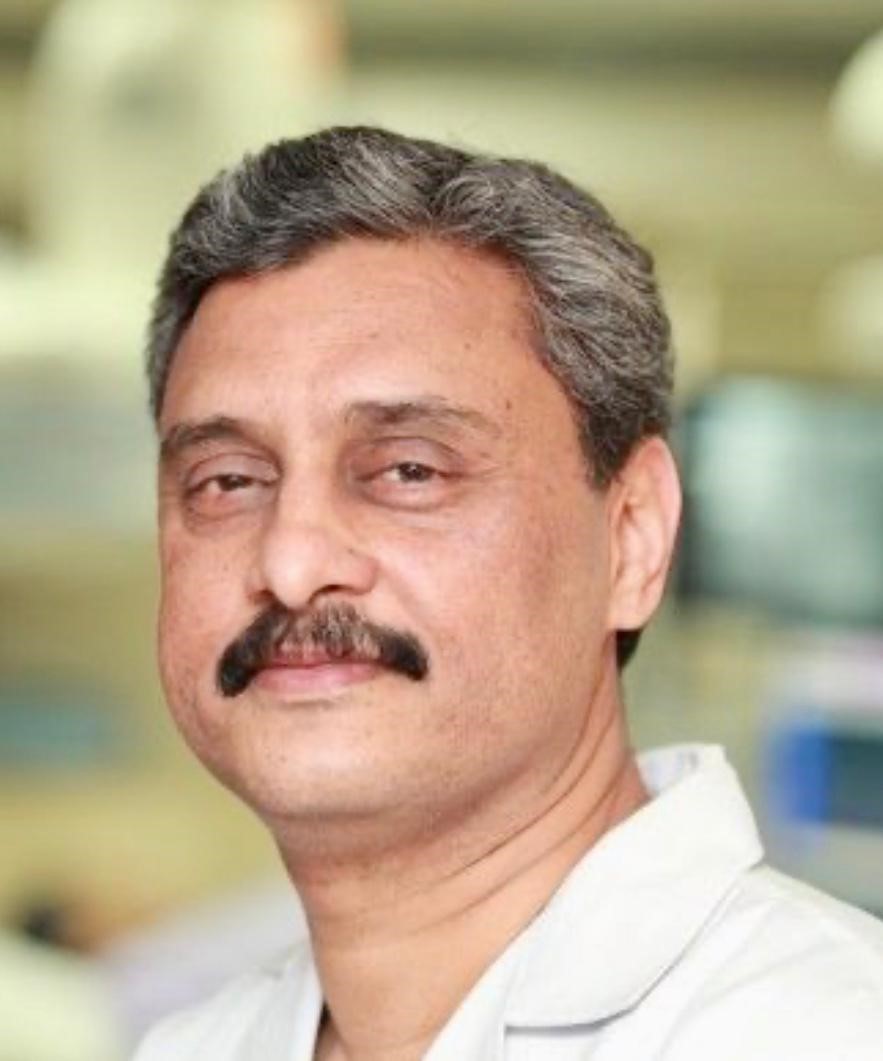
Treating Doctor
Dr. Atul Mathur
Interventional Cardiologist- Cardiac Ablation, Cardiac Catheterisation, Cardioversion, Carotid Angioplasty And Stenting, Chest Pain Treatment, Cardiac Catheterisation, Carotid Angioplasty And Stenting, Cardiac Ablation, Cardiography, Chest Pain Treatment, Cardioversion, Cardiac Catheterisation
Fortis Escorts Heart Institute New Delhi, India
30 Years of Experience
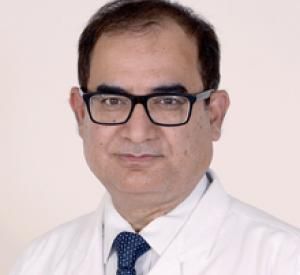
Treating Doctor
Dr Rajnees Malhotra
Cardiac Surgeon- Left ventricular assist device (LVAD), Coronary artery bypass graft (CABG) surgery, Heart transplant, Heart Failure Treatment, Minimally invasive Cardiac Surgery, Heart transplant, Extra Corporeal Membrane Oxygenation-ECMO, Robotic Cardiac Surgery, Mitral Valve Replacement & Repairs, Atrial Septal Defects (ASDS), Aortic Valve Replacement & Repairs
Max Super Speciality Hospital New Delhi, India
31 Years of Experience
Similar Packages
