
Arthroscopic Meniscectomy Partial or Subtotal Arthro, India
Arthroscopic Meniscectomy Partial or Subtotal Arthro
India
-
Our Price USD 2790
-
Hospital Price USD 3100
-
You Save : USD 310
Booking Amount: USD 279. Pay Remaining 90% at the hospital.
Book NowAdditional Credit
Among the important extras we offer as part of the Additional Credit are the following:
-
Site Tourism For The Patient & Attendant
-
Airport Pick & Drop Service
-
Ambulance service at airport
-
Priority appointments with The Doctor
-
Cancel Easily Anytime with Full Refund
-
Room Upgradation
-
Free Online Doctor Consultation Valued at USD 20
-
Free hotel Stay for 5 to 7 days Accordingly
-
Welcome Kit at Arrival
-
Interpreter
-
Medical Visa Assistance
What is Included?
- Doctor consultation charges
- Lab tests and diagnostic charges
- Room charges inside hospital during the procedure
- Surgeon Fee
- Cost of implant
- Nursing charges
- Hospital surgery suite charges
- Anesthesia charges
- Routine medicines and routine consumables (bandages, dressings etc.)
- Food and Beverages inside hospital stay for patient and one attendant.
What is not Included?
- Extra Radiology Investigations
- Healthcare Professionals Charges of other consultations.
- Other Requested Services such as Laundry etc.
- Additional Pharmaceutical Products and Medicines After Discharge from Hospital.
- Management of Conditions Unrelated to Procedures or Pre-Existing.
- The cost of any additional implants will be in addition to the package cost.
Package Description
Arthroscopic Meniscectomy Partial or Subtotal Arthro:
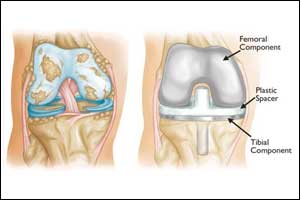
An arthroscopic meniscectomy is a treatment that uses arthroscopic (keyhole) surgery to remove part or all of a meniscus from the tibio-femoral joint of the knee. A complete meniscectomy removes both the meniscus and the meniscal rim, while a partial meniscectomy removes only a portion of the meniscus.
Disease Overview:
Knee pain and arthritis
Knee arthritis is a painful, debilitating condition that worsens with age. The most frequent kind is osteoarthritis, which can affect one or both knees. Pain, edoema, and stiffness of the knee joint are the most typical symptoms. Many therapies are available to aid alleviate the symptoms.
Arthritis is a condition that affects your joints and causes pain, swelling, and stiffness. It might impact your body's biggest and strongest joints. It's a prevalent problem with knees. Knee arthritis is a dangerous and debilitating condition.
While there is no treatment for knee arthritis, there are actions you may do to alleviate symptoms and perhaps reduce the disease's progression.
There are over a hundred different forms of arthritis. The following are the most prevalent sorts that might impact your knees:
The most frequent kind of arthritis on this list is osteoarthritis. Osteoarthritis wears away your cartilage, which acts as a cushion between your knee's three bones. Your bones will scrape against one other if you don't have that protection. This can result in discomfort, stiffness, and restricted mobility. It can also result in the formation of bone spurs. Osteoarthritis deteriorates with time.
Osteoarthritis is a kind of post-traumatic arthritis. After a knee injury, the cartilage begins to thin (like an injury from a car crash or contact sport). The friction between your bones creates the same symptoms as osteoarthritis: pain, stiffness, and decreased mobility.
The symptoms of knee arthritis may not appear for years after the injury.
Rheumatoid arthritis is an autoimmune illness that affects the joints. When your immune system is trying to defend you against an infection, injury, toxin, or other foreign invader, it creates inflammation (internal or external). One way your body protects itself is through the inflammatory reaction. If you have rheumatoid arthritis, your immune system is compromised, causing inflammation in your joints in the absence of a foreign invader. Inflammation of the synovial membrane produces discomfort, stiffness, and swelling, which can wear down your cartilage.
Disease Signs and Symptoms:
Arthritis of the knee manifests itself in a variety of ways:
- Noises such as creaking, clicking, grinding, or snapping (crepitus).
- Walking is difficult.
- Joint discomfort that fluctuates with the weather (gets better or worse).
- Stiffness of the joints.
- Knee buckling is a term used to describe when a person's knee
- Knee joint discomfort that develops gradually or develops suddenly.
- Redness of the skin.
- Swelling.
- When you try to move your knee, it locks or sticks.
- Skin that is warm.
The most typical signs of arthritis in the knee are pain and swelling. Some therapies may help you feel better or perhaps stop the course of your symptoms. If you're experiencing symptoms of knee arthritis, make an appointment with your doctor.
Disease Causes:
Experts have discovered a number of genes that have been linked to the development of arthritis, particularly arthritis of the knee. They believe there are other genes that have yet to be uncovered. You might be carrying a gene linked to arthritis without realising it, and a virus or injury could cause knee arthritis.
Though the aetiology of arthritis of the knee is uncertain, various risk factors make it more likely. The following are some of the risk factors for osteoarthritis:
- Age. Osteoarthritis affects elderly people more frequently than younger people and children.
- Anomalies of the bones If your bones or joints are inherently crooked, you're more likely to get osteoarthritis.
- Gout. Gout, a kind of inflammatory arthritis, has been linked to the development of osteoarthritis.
- Injuries. Knee traumas can lead to knee arthritis.
- Stress. Osteoarthritis of the knee might develop as a result of putting a lot of stress on your knees when running, playing sports, or performing an active job.
- Weight. Your knees are put under extra strain when you gain weight.
Disease Diagnosis:
Your doctor will almost certainly request X-rays of your knees to check for arthritis. The X-rays should disclose the following:
- The kind of arthritis you have.
- Any alterations in the structure of your bones.
- Bone spurs are a kind of bone spur.
- The distance between the bones is measured in millimetres. The smaller the gap, the less cartilage there is. The more restricted the space, the more painful it is.
- A magnetic resonance imaging (MRI) test or a computerised tomography (CT) scan may be ordered by a healthcare professional.
Disease Treatment:
Knee arthritis cannot be cured by medical professionals. They do, however, offer some suggestions for reducing the intensity of your symptoms and maybe preventing the arthritis from worsening, such as:
- Maintain a healthy body mass index (BMI).
- Low-impact activities (swimming, cycling) should be substituted for high-impact ones (jogging, tennis). Aim to exercise for 150 minutes every week.
- Shoe inserts that attenuate shock are recommended.
- Heat or ice should be applied to the affected region.
- Wear a knee brace or sleeve.
- Exercises in physical therapy that improve flexibility, strength, and range of motion.
- Make use of a cane.
- Acupuncture.
- Plasma with a high concentration of platelets.
Before you try any of these suggestions, talk to your doctor. Depending on the stage of the sickness, they'll know what is and isn't appropriate for you.
- You might also try the following medications:
- Acetaminophen (Tylenol®) is a kind of acetaminophen.
- NSAIDs (ibuprofen, Advil®, Motrin®, Aleve®) are nonsteroidal anti-inflammatory drugs.
- Glucosamine and chondroitin sulphate, for example, are dietary supplements.
- Pain-relieving ointments or creams
- Corticosteroids are a kind of corticosteroid that is (cortisone shot).
- COX-2 inhibitors (Celebrex® and Mobic®) are two types of COX-2 inhibitors.
- Anti-rheumatic medicines with disease-modifying properties (DMARDs).
- Whether you have arthritis in your knee, ask your doctor if you may use over-the-counter drugs and vitamins.
- Nonsurgical solutions for knee arthritis don't always work for everyone. It's possible that you'll require surgery, such as:
- Arthroplasty.
- Arthroscopy.
- Osteotomy.
- When patients have surgery, they usually have stage 4 arthritis
Information related to Treatment
Package Details
Days in Hospital
2 Days
Days in Hotel
*
10 Days
Room Type
Private
Treating Doctor
Dr. Bhushan Nariani
Orthopaedic Surgeon- Ankle surgery, Brachial plexus repair, Osteoarthritis, Avascular Necrosis of Hip Joint, Osteoarthritis (Most Common), Hip Fracture or Hip Dysplasia, Ankle Fracture, Deformed Knees, Meniscus Tear, Shoulder Arthritis, Torn Anterior, Osteonecrosis, Hip Osteoarthritis, Carpal Tunnel Syndrome Surgery, Hip/Ankle/Knee Injury, Rheumatic Arthritis, Injury or Fracture of the Hip Joint, Ankle Arthritis, Erb's Palsy, Bone Tumor in the Hip Joint, Brachial Plexus Avulsion, Shoulder Injury, Knee Osteoarthritis, Torn Rotator Cuff, Knee pain
BLK-Max Super Speciality Hospital New Delhi, India
18 Years of Experience
Treating Doctor
Dr. Ashok Rajgopal
Orthopaedic Surgeon- Joint Replacement Surgery, Knee Surgery, Anthroscopic Meniscus Surgery
Medanta-The Medicity, Gurgaon Gurgaon, India
42 Years of Experience
Treating Doctor
Dr. Yuvraj Kumar
Orthopaedic Surgeon- Spine Surgery, Trauma Surgery, Joint Replacement Surgery, Knee Replacement, Hip Replacement, Shoulder & Elbow Surgery, Joint Pain Treatment, Primary and Revision Knee & Hip Replacement, Hip Pain Treatment, Joint and Muscle Problems, Hip Arthroplasty, Joint Dislocation Treatment, Arthroscopy Procedure
Accord Super specialty Hospital Faridabad, India
24 Years of Experience
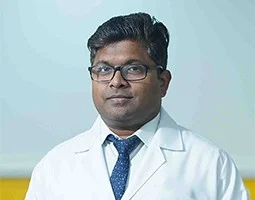
Treating Doctor
Dr. Rakesh Kumar
Orthopaedic Surgeon- Shoulder Replacement, Joint Replacement Surgery, Hip Replacement, ACL/PCL Reconstruction, Ankle Surgery, Cruciate Ligament Recosntruction, Meniscus Tear, Fracture Treatment, Rotator Cuff Surgery, Frozen shoulder Physiotherapy, Achilles tendon, Cartilage microsurgeries
Accord Super specialty Hospital Faridabad, India
20 Years of Experience
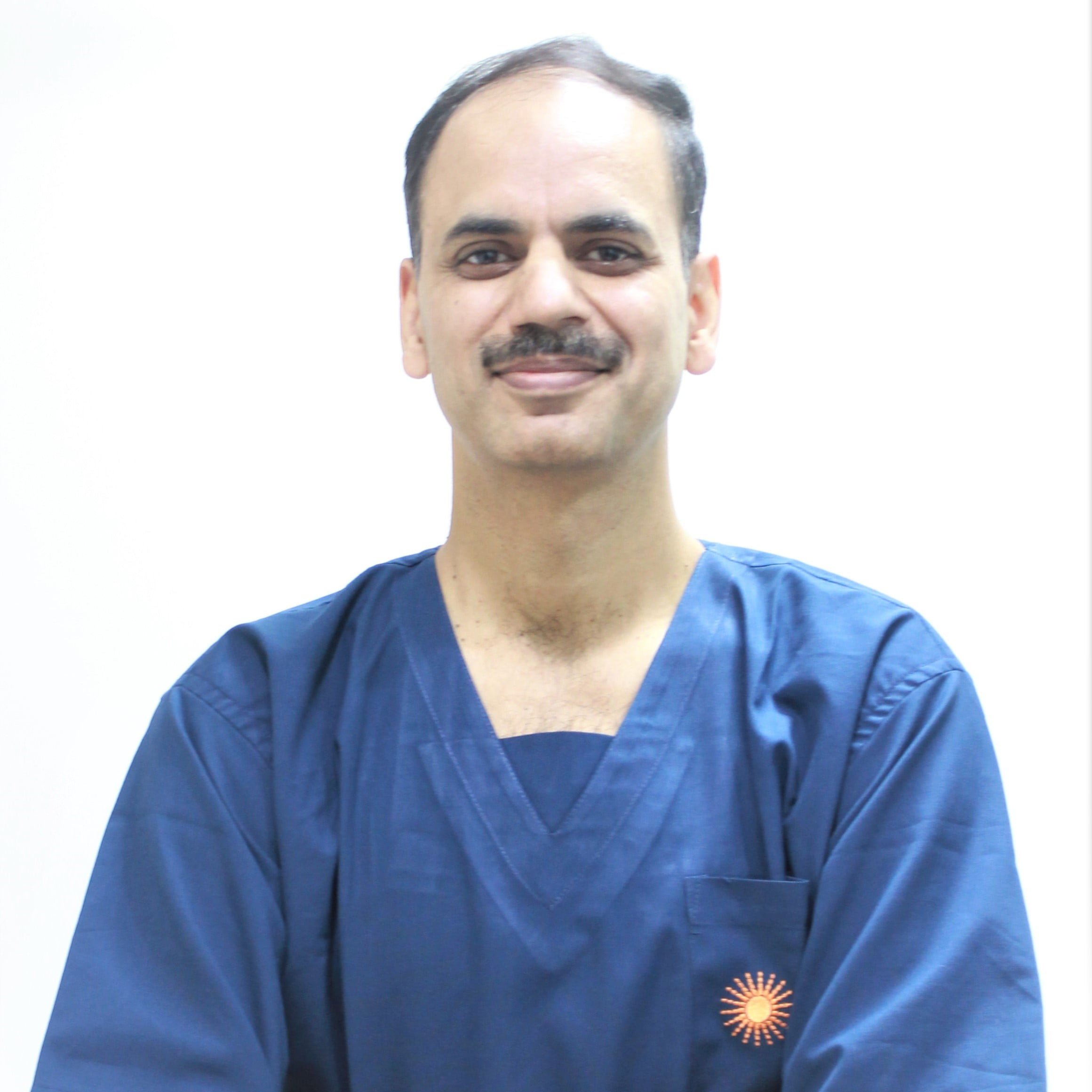
Treating Doctor
Dr. Sumit Batra
Orthopaedic Surgeon- Spine Surgery, Deformity correction, Spine fracture/ trauma, Disc Replacement ( Cervical /Lumber), Microdiscectomy, Knee Replacement, Total Knee Replacement, Total Hip Replacement, Complex Trauma Surgery Primary
Marengo Asia hospital, Faridabad Faridabad, India
24 Years of Experience

Treating Doctor
Dr. Vipin Tyagi
Orthopedist- Spinal Deformity correction, Correction of deformities, Spasticity, Joint Replacement Surgery, Wrist Problem, Reconstruction and Rehabilitation, Disc Slip, External Fixator, Reconstruction and Bone Lengthening, Cruciate Ligament Recosntruction
Medanta-The Medicity, Gurgaon Gurgaon, India
35 Years of Experience

Treating Doctor
Dr. Harshavardhan Hegde
Orthopaedic Surgeon- Spine Injury, Functional Orthopedics, Joint Replacement Surgery, Knee Replacement, Hip Replacement, Neck and Spine Biopsy
Max Super Speciality Hospital New Delhi, India
30 Years of Experience
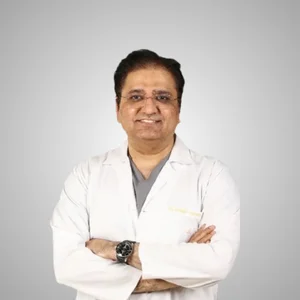
Treating Doctor
Dr. Hemant Sharma
Orthopedist- Musculoskeletal/Orthopedic Onco Surgery, Cerebral Palsy Treatment, Hip Disorders, Tumor Surgery, Spasticity, Joint Replacement Surgery, Wrist Problem, Sports Injuries, Column traumatology, Disk slip, Lower Extremity Wound Care, Hip Pain Treatment
Marengo Asia Hospital Gurgaon, India
23 Years of Experience
Treating Doctor
Dr Manmohan Aggarwal
Orthopedist- Pain Management, Pain Management, Pain Management, Orthopaedics & Trauma Surgery, Bone Trauma, Fracture Treatment, Hip/Ankle/Knee Injury, Joint and Muscle Problems, Pain Management, Knee Pain Treatment, Pain Management, Knee Pain Treatment
MAX Super Speciality hospital, Patpadganj Delhi New Delhi, India
34 Years of Experience
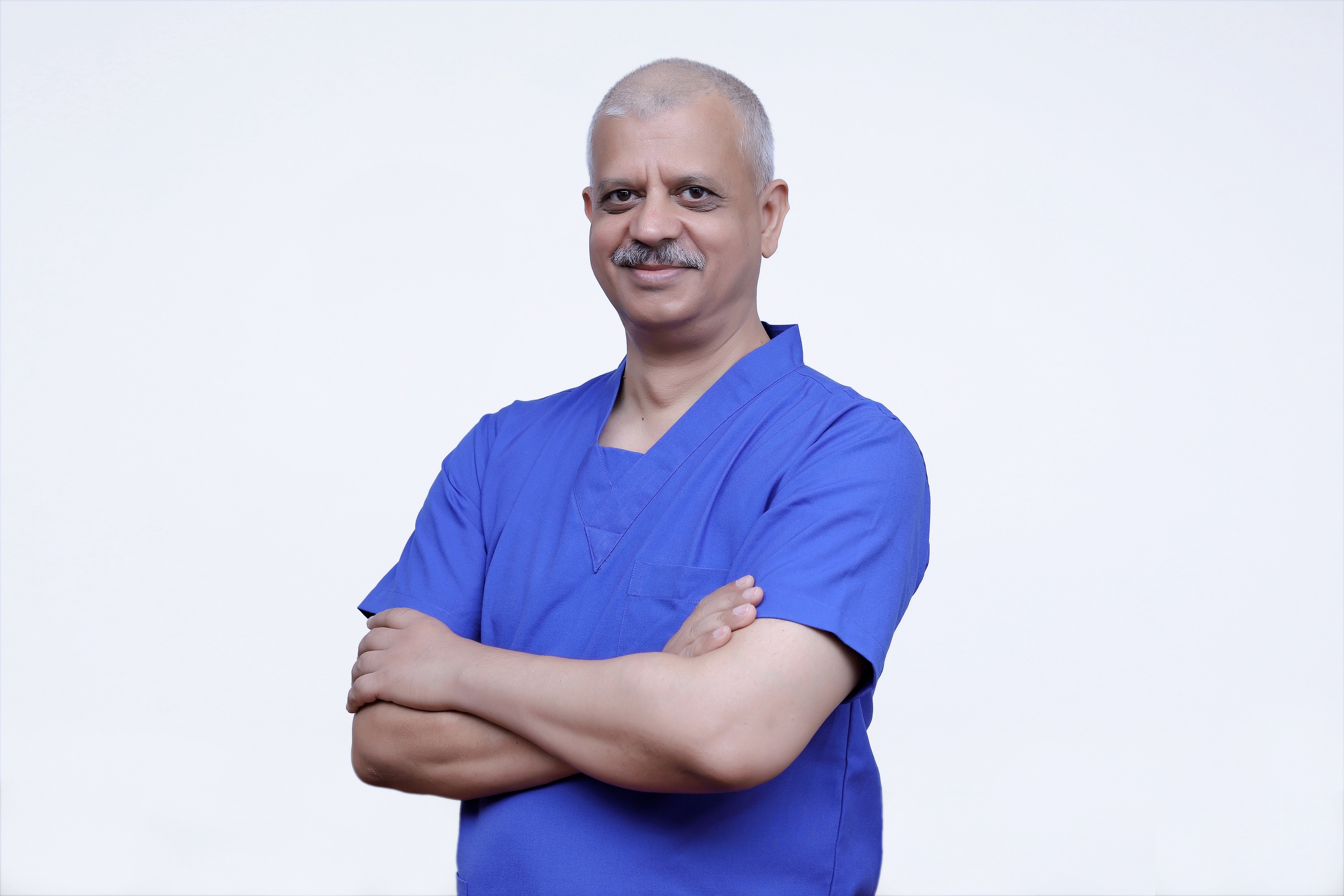
Treating Doctor
Dr Dhananjay Gupta
Orthopedist- Arthroscopic Surgery, Adult Joint Reconstruction, Complex fractures, Sequelae Management, Open Spine Surgeries, Joint Replacements
Fortis Flt. Lt. Rajan Dhall Hospital, Vasant Kunj, Delhi New Delhi, India
20 Years of Experience
Similar Packages
Arthroscopic Meniscectomy Partial or Subtotal Arthro
India
Start from
$3100 $2790
@ 10%% off